
Calcaneal Spur Treatment in Gurgaon (Heel Spur): Causes, Symptoms & Physiotherapy Treatment
Understanding Calcaneal Spur
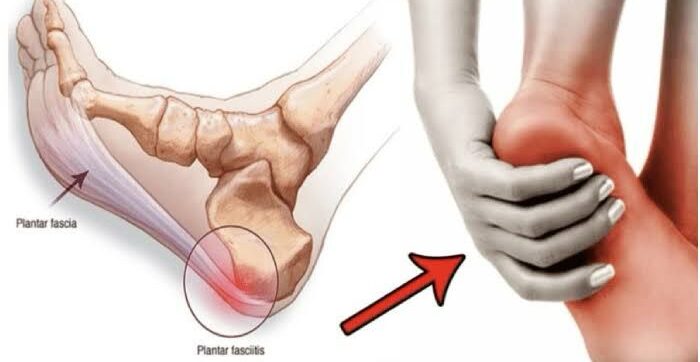
A calcaneal spur, commonly called a heel spur, is a bony growth that develops on the underside of your heel bone (calcaneus). This condition occurs when calcium deposits build up over time, forming a visible hook of bone that can extend toward the arch of your foot.
At MyoHeal Physiotherapy, we treat numerous patients with calcaneal spur and understand how this condition affects daily life. From that first step in the morning to standing at work, heel pain can make simple activities feel impossible.
Important Fact: Many people have a calcaneal spur without knowing it. Studies show that approximately 15% of people have heel spurs, but only a fraction experience pain. The discomfort usually comes from the surrounding soft tissue inflammation, not the bony growth itself.
What is a Calcaneal Spur?
A calcaneal spur is exactly what it sounds like—a spur or projection of bone on the calcaneus (heel bone). These spurs typically develop on the bottom of the heel, where they may extend forward toward the toes.
How Does a Calcaneal Spur Form?
Your body builds bone throughout life. When the plantar fascia—the thick ligament connecting your heel bone to your toes—experiences repeated stress or pulling, your body responds by depositing calcium at the attachment point. Over months or years, this calcium builds up into a visible spur.
Think of it like a callus on your skin. Just as skin thickens with repeated friction, bone grows with repeated stress.
Types of Calcaneal Spurs
| Type | Location | Common Cause |
| Inferior Calcaneal Spur | Bottom of heel | Planter fasciitis, repetitive stress |
| Posterior Calcaneal Spur | Back of heel | Achilles tendonitis, tight calf muscles |
Calcaneal Spur vs Plantar Fasciitis
This is the most common confusion patients bring to MyoHeal Physiotherapy. Let’s clarify:
Key Differences:
Calcaneal Spur:
· Bony growth on the heel bone
· Visible on X-ray
· May exist without symptoms
· Permanent without surgery
· Develops slowly over time
Plantar Fasciitis:
· Inflammation of the plantar fascia ligament
· Diagnosed through physical examination
· Almost always causes pain
· Can resolve with treatment
· Can develop quickly
The Connection:
Chronic plantar fasciitis often leads to calcaneal spur formation. The constant pulling of the inflamed ligament on the heel bone stimulates calcium deposition. This is why these conditions frequently coexist.
Clinical Note: When treating calcaneal spur at MyoHeal Physiotherapy, we always address the underlying soft tissue issues. The spur itself may remain, but pain resolves when inflammation is controlled.
Causes of Calcaneal Spur
Understanding what causes calcaneal spur helps in both treatment and prevention. At MyoHeal Physiotherapy, we identify contributing factors for each patient.
Primary Causes:
Repetitive Stress on Heel Bone
· Prolonged standing on hard surfaces
· Running or jogging on concrete
· Walking barefoot on hard floors
· Jobs requiring hours on feet
Biomechanical Abnormalities
· Flat feet (overpronation)
· High arches (supination)
· Abnormal gait patterns
· Leg length discrepancy
Soft Tissue Inflammation
· Chronic plantar fasciitis
· Tight Achilles tendon
· Tight calf muscles
· Weak foot muscles
Risk Factors:
| Risk Factor | Why It Increases Risk |
| Risk Facto | Reduced tissue elasticity, longer recovery |
| Obesity | Extra body weight increases heel pressure |
| Diabetes | Poor circulation, delayed healing |
| Running | Repetitive impact on heel bone |
| Standing Jobs | Constant pressure without rest |
Calcaneal Spur Symptoms
Most patients visiting MyoHeal Physiotherapy with calcaneal spur report specific symptoms:
Common Symptoms:
Morning Pain:
· Sharp, stabbing pain with first steps
· Pain decreases after a few minutes of walking
· Returns after sitting or resting
Activity-Related Pain:
· Discomfort after prolonged standing
· Pain toward end of day
· Worse after exercise, not during
Location of Pain:
· Bottom of heel, near arch
· May radiate into arch
· Tenderness when pressing heel
Description of Pain:
· “Like walking on a pebble”
· “Knife sticking in my heel”
· “Bruised feeling deep in heel”
· “Sharp pain when I stand up”
When to Seek Help:
Consider visiting MyoHeal Physiotherapy if:
· Morning pain lasts more than 30 minutes
· Pain affects daily activities
· Home remedies haven’t helped after 2-3 weeks
· You’re altering how you walk
· Pain is getting worse
Diagnosis of Calcaneal Spur
Accurate diagnosis is essential for effective calcaneal spur treatment. At MyoHeal Physiotherapy, our assessment includes:
Physical Examination:
- Palpation: Pressing on heel to identify tender areas
- Range of Motion: Checking ankle and foot flexibility
- Gait Analysis: Observing walking pattern
- Foot Posture Assessment: Evaluating arches
- Calf Tightness Testing: Identifying contributing factors
Imaging:
X-Ray:
· The definitive tool for confirming calcaneal spur
· Clearly shows bony growth on heel bone
· Reveals spur size and location
· Rules out other conditions like fractures
Ultrasound:
· Shows soft tissue inflammation
· Evaluates plantar fascia thickness
· Guides injections if needed
MRI:
· Rarely needed
· Used for complex cases
· Shows both bone and soft tissue
At MyoHeal Physiotherapy, we coordinate with imaging centers when X-ray confirmation is needed.
Calcaneal Spur Treatment in Gurgaon – MyoHeal Physiotherapy
We offer comprehensive calcaneal spur treatment focusing on pain relief and addressing root causes. Our approach is non-surgical and evidence-based.
Phase 1 – Pain Relief
Ice Therapy:
· Apply ice pack or frozen bottle to heel
· 15-20 minutes, 2-3 times daily
· Reduces inflammation and numbs pain
Activity Modification:
· Reduce high-impact activities temporarily
· Switch to swimming or cycling
· Avoid walking barefoot
Pain Management:
· Guidance on safe pain relief
· When to use ice vs heat
· Activity pacing strategies
Phase 2 – Stretching Exercises
Stretching is the most important component of calcaneal spur treatment.
Plantar Fascia Stretch:
· Sit with legs straight
· Pull toes toward body using towel or hands
· Hold 30 seconds, repeat 3 times
· Do this BEFORE morning steps
Calf Stretch (Straight Knee):
· Face wall, hands on wall
· Affected leg back, knee straight
· Heel on ground, lean forward
· Hold 30 seconds, 3 reps
Calf Stretch (Bent Knee):
· Same position, but back knee bent
· Targets deeper calf muscle
· Hold 30 seconds, 3 reps
Step Stretch:
· Stand on step, heels hanging off
· Lower heels down slowly
· Hold 30 seconds, 3 reps
· Both straight and bent knee positions
Phase 3 – Strengthening Exercises
Once pain reduces, strengthening begins.
Towel Curls:
· Sit with foot on towel
· Curl toes to scrunch towel
· 2-3 sets of 20 repetitions
Marble Pickups:
· Place marbles on floor
· Pick up with toes, place in cup
· 20 marbles daily
Calf Raises:
· Stand holding support
· Rise onto toes slowly
· Lower down controlled
· Start with both legs, progress to single
Short Foot Exercise:
· Sit with foot flat
· Draw arch up without curling toes
· Hold 10 seconds, repeat 10 times
Phase 4 – Manual Therapy
At MyoHeal Physiotherapy, hands-on treatment includes:
Soft Tissue Mobilization:
· Releasing tight calf muscles
· Reducing tension on heel bone
· Breaking down scar tissue
Plantar Fascia Release:
· Deep tissue work on arch
· Improves flexibility
· Reduces pulling on heel
Joint Mobilization:
· Improving foot and ankle mobility
· Correcting biomechanics
· Enhancing movement patterns
Phase 5 – Advanced Treatments
Shock Wave Therapy:
· Non-invasive treatment
· Stimulates healing in chronic cases
· Breaks down calcium deposits
· Promotes blood flow
· 3-5 sessions typically needed
· Available at MyoHeal Physiotherapy
Dry Needling:
· Releases tight calf muscles
· Reduces tension on heel
· Effective for chronic tightness
Kinesiology Taping:
· Provides immediate arch support
· Reduces strain during activity
· Can be worn for 3-5 days
H3: Phase 6 – Orthotics and Footwear
Supportive Shoes:
We recommend shoes with:
· Firm heel counter
· Good arch support
· Adequate cushioning
· Slight heel raise (not flat)
· Removable insole for orthotics
Custom Orthotics:
· Correct biomechanical issues
· Support arches properly
· Reduce stress on heel bone
· Made specifically for your feet
Heel Cups:
· Immediate cushioning
· Absorb shock
· Affordable option
· Good for mild cases
Night Splints:
· Worn during sleep
· Keeps plantar fascia stretched
· Reduces morning pain significantly
· Available at MyoHeal Physiotherapy
Medical research highlights that structured physiotherapy programs are effective for plantar fasciitis and heel spur rehabilitation, helping reduce pain and improve foot mobility.
Calcaneal Spur Treatment Timeline
| Phase | Duration | Focus | What Patient Experiences |
|---|---|---|---|
| Acute | Week 1-2 | Pain relief, ice, gentle stretch | Pain reducing, morning pain still present |
| Recovery | Week 3-6 | Progressive stretching, begin strengthening | Significant improvement, longer pain-free periods |
| Strengthening | Week 6-12 | Full strengthening, return to activity | Minimal pain, normal activities possible |
| Maintenance | Ongoing | Home exercises, proper footwear | Prevention of recurrence |
Most patients at MyoHeal Physiotherapy see significant improvement within 4-8 weeks of consistent treatment.
Calcaneal Spur Exercises – Detailed Guide
Morning Routine (Before Getting Out of Bed)
- Towel Stretch – 30 seconds, 3 reps
- Ankle Pumps – 20 times pointing foot up and down
- Air Alphabet – Write alphabet with big toe
- Gentle Arch Massage – 1 minute
Throughout Day Routine
Every 2-3 hours if sitting:
· Toe curls – 20 times
· Ankle circles – 10 each direction
After prolonged standing:
· Calf stretch – 30 seconds each leg
· Frozen bottle roll – 5 minutes
Evening Routine
- Step stretch – 30 seconds, 3 reps (both straight and bent knee)
- Towel curls – 2 sets of 20
- Marble pickups – 20 marbles
- Ice massage – 5-10 minutes if painful
Exercise Tips:
· Consistency matters more than intensity
· Stretch to mild discomfort, not sharp pain
· Warm up before stretching
· Breathe normally during holds
· Both feet need exercise, even if one is painful
Calcaneal Spur Prevention
Preventing calcaneal spur involves reducing stress on your heel bone:
Daily Habits:
Footwear:
· Wear supportive shoes always
· Avoid walking barefoot on hard floors
· Replace athletic shoes every 300-500 miles
· Choose shoes with good arch support
Weight Management:
· Maintain healthy body weight
· Each pound of body weight adds 3-4 pounds of pressure on heels during walking
Activity Management:
· Warm up before exercise
· Stretch calves and feet daily
· Gradually increase activity intensity
· Cross-train with low-impact activities
For Specific Groups:
Runners:
· Replace shoes regularly
· Run on softer surfaces when possible
· Don’t ignore early heel pain
· Include calf stretches in routine
Standing Jobs:
· Use anti-fatigue mats
· Take sitting breaks every hour
· Wear appropriate work shoes
· Stretch during breaks
Older Adults:
· Maintain flexibility with daily stretching
· Choose cushioned, supportive shoes
· Address foot pain early
When is Calcaneal Spur Surgery Needed?
Surgery for calcaneal spur is rarely necessary. At MyoHeal Physiotherapy, we help over 90% of patients avoid surgery with conservative treatment.
Surgery May Be Considered If:
- 6-12 months of conservative treatment has failed
- Pain significantly impacts quality of life
- Large spur is causing mechanical problems
- Patient has tried all non-surgical options
Surgical Procedure:
Calcaneal spur surgery typically involves:
· Removing the bony growth
· Releasing part of the plantar fascia
· Performed under local or general anesthesia
· Outpatient procedure in most cases
Recovery After Surgery:
· 2-3 weeks in protective boot or cast
· 6-8 weeks before returning to normal shoes
· 3-6 months before full activity
· Physiotherapy essential after surgery
Risks of Surgery:
· Infection
· Nerve damage
· Scarring
· Recurrence of pain
· Longer recovery than expected
Bottom Line: Try conservative treatment first. Surgery is the last resort, not the first option.
Living with Calcaneal Spur
Can a Calcaneal Spur Go Away?
The bony spur itself is permanent without surgery. However, the pain can completely resolve with proper treatment. Most patients at MyoHeal Physiotherapy become pain-free even though the spur remains visible on X-ray.
Will I Always Have Pain?
No. With consistent treatment and proper self-care, most patients achieve long-term pain relief. The key is addressing the underlying causes—tight calves, weak foot muscles, poor footwear—not just the spur itself.
Can I Exercise with Calcaneal Spur?
Yes, with modifications:
Safe Activities:
· Swimming
· Cycling
· Elliptical trainer
· Strength training (upper body)
· Yoga (with modifications)
Activities to Modify:
· Running (reduce distance, better surfaces)
· Walking (supportive shoes, proper pace)
· Hiking (good boots, avoid rocky terrain)
Activities to Avoid Temporarily:
· Barefoot running
· Sprinting
· Jumping sports
· Dancing on hard floors
FAQs About Calcaneal Spur
Q1: What is a calcaneal spur?
A calcaneal spur is a bony growth on the heel bone caused by calcium deposits from repeated stress and pulling of the plantar fascia.
Q2: Is calcaneal spur serious?
No, it’s not serious in terms of dangerous conditions, but it can cause significant pain and affect daily activities. It’s treatable with physiotherapy.
Q3: Can I walk with a calcaneal spur?
Yes, but in supportive shoes. Avoid walking barefoot or in flat, unsupported footwear.
Q4: How long does calcaneal spur take to heal?
With proper physiotherapy, most patients improve in 4-8 weeks. Complete healing of symptoms may take 3-6 months.
Q5: Does calcaneal spur require surgery?
Rarely. Over 90% of patients improve with conservative treatment like physiotherapy, stretching, and proper footwear.
Q6: What happens if calcaneal spur is left untreated?
Pain may worsen. You may develop altered walking patterns that cause knee, hip, or back problems. Early treatment is better.
Q7: Can running cause calcaneal spur?
Yes, especially running on hard surfaces, in worn shoes, or with poor running form.
Q8: Are orthotics necessary for calcaneal spur?
Not always necessary, but very helpful. Custom orthotics correct biomechanical issues that contribute to spur formation.
Q9: Can massage help calcaneal spur?
Yes. Massage of calf muscles and plantar fascia reduces tension on the heel bone.
Q10: Is heat or ice better for calcaneal spur?
Ice is better for acute pain and inflammation. Heat can be used on tight calf muscles before stretching.
Q11: Can weight loss help calcaneal spur?
Absolutely. Less body weight means less pressure on heel bone during walking and standing.
Q12: What shoes are best for calcaneal spur?
Shoes with firm arch support, cushioned heel, slight heel raise, and rigid sole. Avoid flat shoes and sandals without support.
Q13: Can calcaneal spur come back after treatment?
The spur remains, but pain can return if you stop stretching and return to poor footwear habits.
Q14: Is shock wave therapy effective for calcaneal spur?
Yes, especially for chronic cases that haven’t responded to other treatments. Available at MyoHeal Physiotherapy.
Q15: Can I get disability for calcaneal spur?
Rarely. Most cases improve with treatment. Only severe, surgically-treated cases with complications might qualify.
Why Choose MyoHeal Physiotherapy for Calcaneal Spur Treatment?
What Makes Us Different:
You’re not just given a sheet of exercises. Our physiotherapists work on your tight tissues with manual therapy techniques.
Advanced Modalities:
Shock wave therapy, dry needling, kinesiology taping—available when needed for optimal results.
Personalized Plans:
Your feet are unique. Your treatment plan should be too. No cookie-cutter approaches at MyoHeal Physiotherapy.
Patient Education:
We teach you how to manage your condition long-term. Knowledge prevents recurrence.
Convenient Location:
Easily accessible for Gurgaon residents. Sector 12
Success Stories
At MyoHeal Physiotherapy, we’ve helped hundreds of patients overcome calcaneal spur pain.
Patient Name: Rajesh, 45, Bank Manager
Problem: Severe morning heel pain for 8 months, unable to walk properly for first 30 minutes daily
Treatment: 8 sessions including stretching, manual therapy, and shock wave therapy
Result: Pain-free walking, returned to morning walks, maintains with home exercises
Patient Name: Priya, 52, School Teacher
Problem: Standing all day became impossible due to heel pain, diagnosed with large calcaneal spur
Treatment: 6 sessions focusing on calf stretching, orthotics, and footwear guidance
Result: Comfortable standing through school day, occasional mild discomfort managed with stretching
Patient Name: Amit, 38, Runner
Problem: Unable to run due to heel pain, worried about surgery
Treatment: 10 sessions including gait analysis, strengthening, and gradual return-to-running program
Result: Back to running 20km weekly, no pain, uses custom orthotics in running shoes
Take Action Today
Don’t let calcaneal spur pain control your life. The team at MyoHeal Physiotherapy specializes in heel pain treatment and can help you return to pain-free activity.
Book Your Assessment Today:
What to Expect:
· Comprehensive evaluation of your heel pain
· Identification of contributing factors
· Personalized treatment plan
· Expert guidance on exercises and footwear
· Discussion of advanced options if needed
Contact Us:
+91 9811527312
myohealhealthcare@gmail.com
Sector 12, Gurgaon
www.myophysio.in