Cerebral Palsy Physiotherapy in Gurgaon

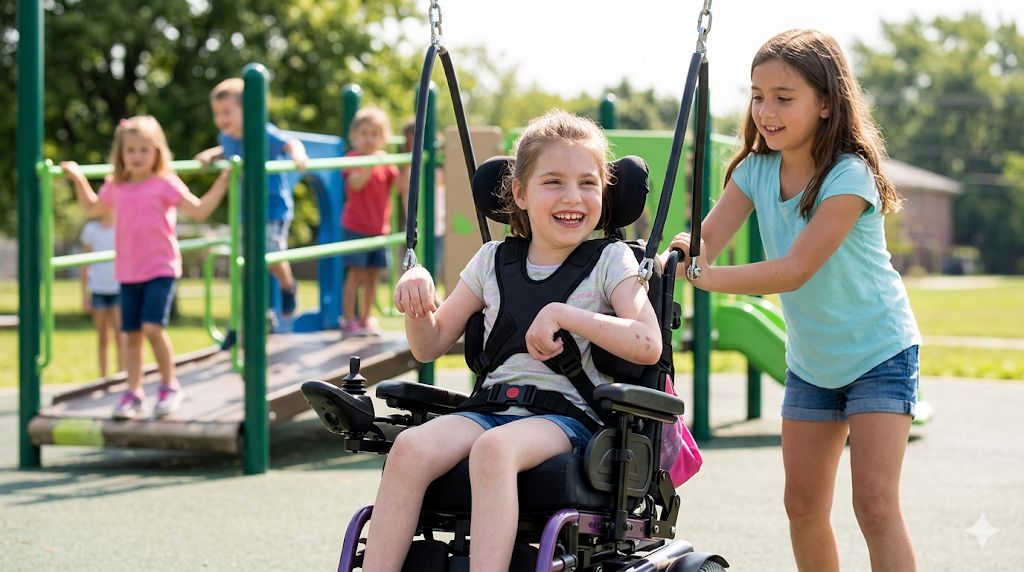
Cerebral palsy physiotherapy in Gurgaon for child rehabilitation

Introduction: Every Child Deserves the Chance to Move Freely

Watching a child struggle to sit up, reach for a toy, or take their first steps can be heart-wrenching. When the diagnosis is Cerebral Palsy (CP), parents often feel overwhelmed—uncertain about the future, confused by medical jargon, and searching for the right help.

Here is the truth: cerebral palsy physiotherapy in Gurgaon can transform lives. Early intervention, consistent care, and expert guidance make all the difference.

At MyoHeal Physiotherapy and Myo Physio at home, we have witnessed countless breakthroughs—first independent sit, first unaided step, first time holding a spoon. Our approach is family-centered, evidence-based, and tailored to each child’s unique needs. For families seeking early intervention physiotherapy in Gurgaon, we provide specialized programs starting from infancy.

What Exactly is Cerebral Palsy?

Cerebral Palsy is not a single condition but a group of permanent movement disorders that appear in early childhood. “Cerebral” refers to the brain, and “palsy” means weakness or problems with muscle control. It occurs due to damage to the developing brain—often before birth, during delivery, or in the first few years of life.

Key fact: CP is non-progressive, but without proper physiotherapy, secondary complications can worsen significantly.

According to the CDC’s cerebral palsy fact sheet, early diagnosis and intervention dramatically improve long-term outcomes. Many children with CP also have associated conditions like developmental delay, which benefit from coordinated therapeutic support.

Types of Cerebral Palsy

  • Spastic CP (70-80%): Stiff, tight muscles. Difficulty with movement, walking, and fine motor skills. Often requires spasticity management physiotherapy to prevent contractures.
  • Dyskinetic CP: Involuntary, uncontrolled movements—twisting, writhing, or jerky motions.
  • Ataxic CP: Poor balance and coordination. Shaky hand movements, unsteady gait.
  • Mixed CP: Combination of two or more types.

Symptoms: Recognizing Cerebral Palsy Early

Early identification is crucial. Parents and caregivers should watch for delayed milestones, abnormal muscle tone, or asymmetry. The American Academy for Cerebral Palsy and Developmental Medicine emphasizes that early detection allows for timely intervention.

  • In infants: Not rolling by 6 months, not sitting by 9 months, stiff or floppy muscle tone, favoring one side, persistent fisting after 3 months.
  • In toddlers: Not crawling or walking by 18 months, toe-walking, difficulty with fine motor skills, feeding difficulties.
  • Associated conditions: Seizures, intellectual disability, speech delays, vision/hearing impairments.

Red flag: If your child misses milestones or shows asymmetry, seek evaluation immediately.

Pediatric cerebral palsy physiotherapy treatment in Gurgaon at home

Root Causes & Risk Factors: What Leads to Cerebral Palsy?

CP results from brain damage occurring before, during, or shortly after birth. Understanding these factors helps guide both prevention and treatment planning. For children already diagnosed, comprehensive pediatric neurological rehabilitation addresses the underlying movement challenges.

Prenatal Causes (Before Birth) – 70-80%
  • Maternal infections (rubella, cytomegalovirus, toxoplasmosis)
  • Premature birth (especially before 32 weeks)
  • Low birth weight and multiple pregnancies
  • Maternal health issues (thyroid disorders, diabetes, high blood pressure)
Perinatal & Postnatal Causes
  • Birth asphyxia (oxygen deprivation) and traumatic delivery
  • Severe jaundice (kernicterus), brain infections (meningitis, encephalitis)
  • Head trauma or stroke after birth

Research from Scope UK’s early intervention guide shows that identifying at-risk infants and starting therapy early significantly reduces long-term disability.

Prevention: What Can Be Done?

While not all cases are preventable, many risk factors can be reduced through proper prenatal care, safe delivery practices, and postnatal precautions. For families with children already diagnosed, prevention focuses on avoiding secondary complications like contractures and joint deformities through orthotics and splinting.

  • Prenatal care: Regular checkups, managing maternal health, vaccinations against rubella.
  • Avoiding toxins: No alcohol, smoking, or drugs during pregnancy.
  • Safe delivery: Skilled birth attendants, monitoring fetal distress.
  • Postnatal precautions: Preventing head injuries, treating jaundice promptly.

Early prevention advice: For at-risk infants, start developmental screening and physiotherapy in the first few months.

Diagnosis: How We Assess at MyoHeal

Diagnosis involves a multidisciplinary approach. At MyoHeal, we work alongside pediatricians, neurologists, and developmental specialists to ensure comprehensive assessment. The Gross Motor Function Classification System (GMFCS) helps us determine the appropriate intensity and type of cerebral palsy physiotherapy in Gurgaon needed.

  • Developmental screening: Milestone tracking using standardized tools.
  • Neurological examination: Assessing muscle tone, reflexes, posture, and movement patterns.
  • Imaging: MRI or CT scan to identify brain abnormalities.
  • GMFCS classification: Guides treatment planning and prognosis.
  • Functional assessment: Evaluating mobility, self-care, and participation.

Important: Early diagnosis is possible as early as 6-12 months. Do not wait for a formal diagnosis before starting physiotherapy.

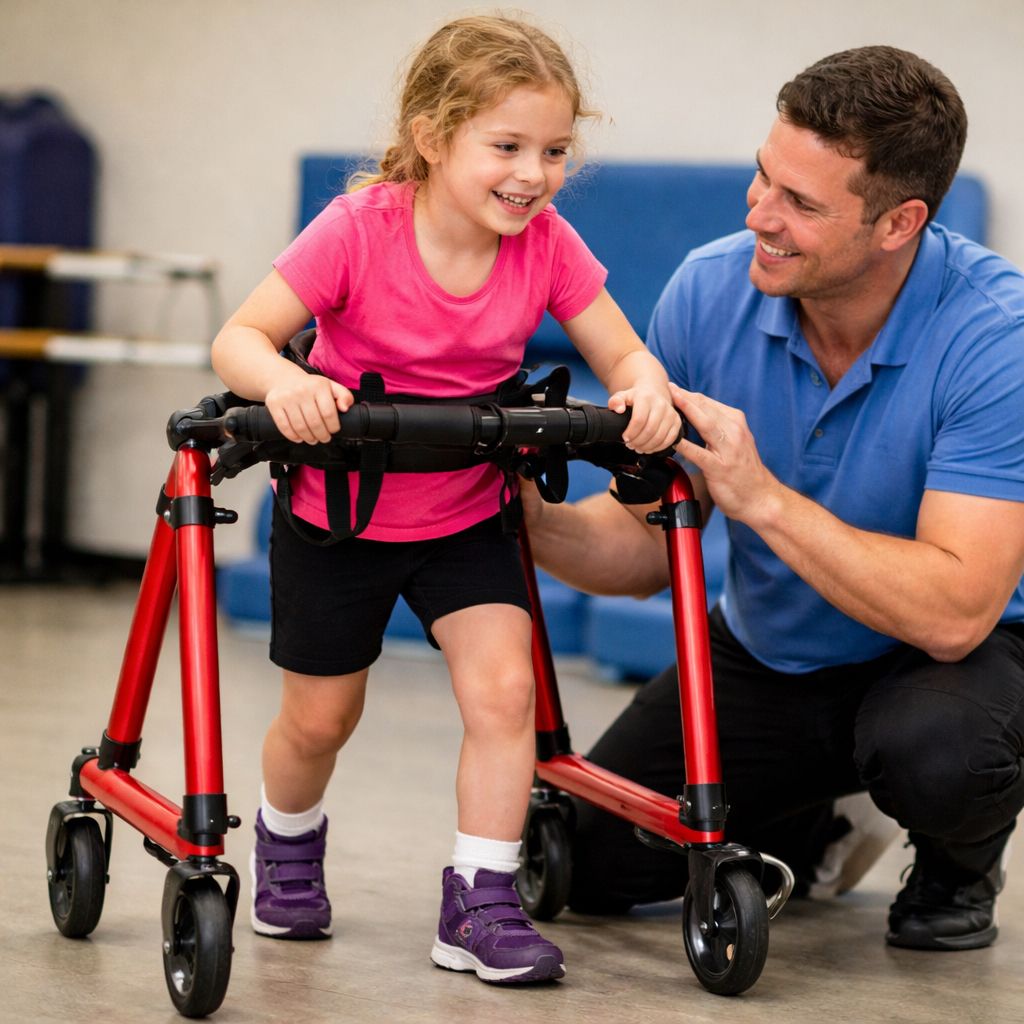
Child gait training for cerebral palsy physiotherapy in Gurgaon

Treatment: The MyoHeal Approach to Cerebral Palsy Physiotherapy in Gurgaon

There is no cure for CP, but physiotherapy dramatically improves function, independence, and quality of life. Our approach is holistic, family-centered, and draws from internationally recognized methods. For families preferring therapy at home, our Myo Physio at home service brings expert care to your doorstep.

1. Neurodevelopmental Therapy (NDT)

Hands-on facilitation of normal movement patterns. We inhibit abnormal reflexes and guide children toward typical motor development sequences.

2. Strengthening, Stretching & Spasticity Management

Targeted exercises for weak muscles, prolonged stretching for spastic muscles. For children with significant stiffness, we integrate techniques from our spasticity management program to prevent contractures.

3. Mobility Training & Gait Rehabilitation

From rolling and sitting to walking with or without assistive devices. We use gait trainers, walkers, and custom orthotics—learn more about our orthotics and splinting services for proper alignment.

4. Constraint-Induced Movement Therapy (CIMT)

For hemiplegic CP, this evidence-based approach encourages use of the affected side by restraining the unaffected arm.

5. Family Training & Home Program

Parents are co-therapists. We train you to continue therapy at home—because progress happens between sessions. Many families combine clinic visits with our home-based physiotherapy services for maximum consistency.

Our commitment: Every child receives a personalized plan based on GMFCS level, age, functional goals, and family priorities.

For children with additional challenges like developmental delay, we coordinate care with occupational therapists, speech therapists, and special educators to ensure comprehensive support.

Recovery & Progress Timeline: What to Expect

CP is not “cured,” but function can improve dramatically with consistent physiotherapy. The AACPDM guidelines emphasize that ongoing therapy throughout childhood yields the best outcomes.

  • First 3 months: Improved head control, reduced muscle stiffness, better sleep positioning.
  • 6-12 months: Milestone gains—rolling, sitting independently, reaching with improved quality.
  • 1-3 years: Standing with support, crawling, early walking with assistive devices.
  • Long-term: Maintaining mobility, preventing secondary issues, maximizing independence.

Realistic expectation: Children with mild CP often walk independently by 3-4 years. Progress is measured in small victories—and those victories matter.

Why Choose MyoHeal Physiotherapy for Cerebral Palsy Physiotherapy in Gurgaon?

  • Pediatric Specialists: Advanced training in NDT, CIMT, and pediatric neuro-rehabilitation.
  • Myo Physio at home: Therapy in your child’s natural environment—reduces stress, increases carryover.
  • Family-Centered Care: You set the goals. We help achieve them.
  • Multidisciplinary Network: Coordination with pediatricians, orthopedists, speech therapists, and special educators.
  • Evidence-Based: Proven techniques with measurable outcomes using GMFM (Gross Motor Function Measure). +
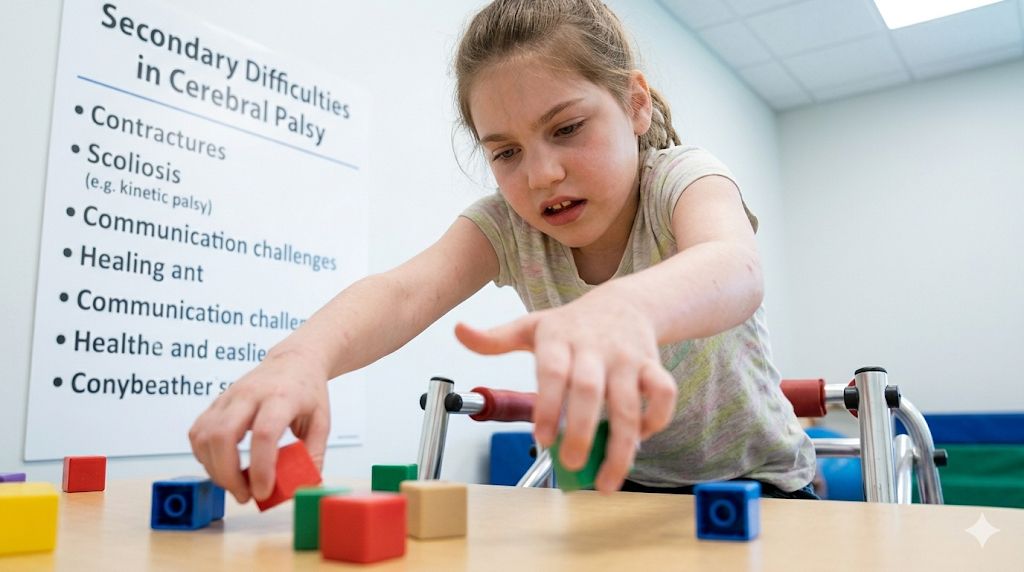
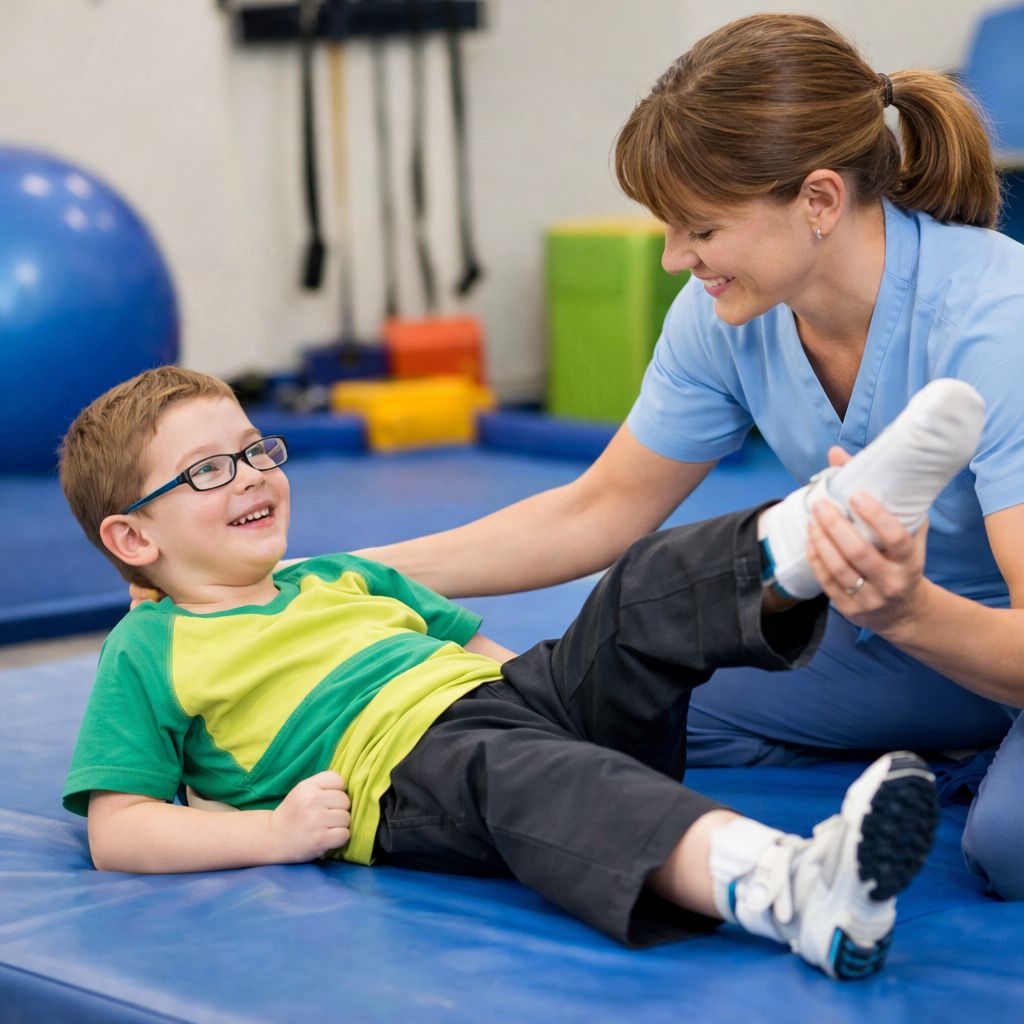
Physiotherapist helping child with cerebral palsy in Gurgaon clinic

Complications of Untreated or Poorly Managed CP

Without proper cerebral palsy physiotherapy in Gurgaon, secondary complications can significantly reduce quality of life. Early intervention through specialized care helps prevent these issues before they become permanent.

  • Muscle contractures: Permanent shortening of muscles leading to fixed joint deformities. Regular spasticity management is essential to prevent this.
  • Hip dislocation: Common in non-ambulatory children—preventable with regular monitoring and positioning.
  • Scoliosis: Spinal curvature affecting breathing, seating, and overall comfort.
  • Pain: From spasticity, joint stiffness, or improper positioning—often undertreated without expert care.
  • Loss of mobility: Without ongoing therapy, walking ability can decline during growth spurts.

Our goal: Prevent these complications with regular physiotherapy monitoring every 3-6 months.

Related Neurological Conditions We Treat

Our expertise extends beyond cerebral palsy. We also provide specialized physiotherapy for other pediatric neurological conditions that may present similarly or co-occur with CP:

  • Global Developmental Delay – Comprehensive support for children with delays across multiple domains.
  • Autism Spectrum Disorder (ASD) – Addressing motor coordination, sensory issues, and physical activity.
  • Down Syndrome Physiotherapy – Hypotonia management, motor milestone achievement, and joint stability.
  • Brachial Plexus Injury – Nerve injury at birth affecting arm movement.
  • Torticollis – Neck muscle tightness that can lead to positional skull deformities.
  • Muscular Dystrophy – Progressive muscle weakness—early intervention preserves function.

External Resources for Families

We encourage families to stay informed. These trusted external resources provide valuable information about cerebral palsy and neurological care:

FAQs: Cerebral Palsy Physiotherapy in Gurgaon

Is cerebral palsy curable?

No, CP is not curable—it is a permanent condition. However, physiotherapy significantly improves function, independence, and quality of life. Many children achieve walking, self-care, and meaningful participation with proper intervention.

When should physiotherapy start for a child with CP?

As early as possible—ideally within the first 6-12 months. Early intervention harnesses neuroplasticity. Our early intervention program is designed specifically for infants at risk or diagnosed with CP.

How often are physiotherapy sessions needed?

For active treatment, we recommend 2-3 sessions per week initially, tapering to 1-2 sessions weekly with a consistent home program. Frequency adjusts based on GMFCS level, age, and functional goals.

Do you offer home-based physiotherapy for CP?

Yes—Myo Physio at home is available across Gurgaon. Our home physiotherapy services bring expert pediatric neurological care to your doorstep. This is especially beneficial for families with travel constraints or children who struggle with clinic environments.

What is spasticity and how do you manage it?

Spasticity is muscle stiffness caused by disrupted signals from the brain. Our spasticity management program uses stretching, positioning, casting, orthotics, and coordination with specialists for medical interventions like Botox when needed.

Does my child need orthotics like AFOs?

Many children with CP benefit from ankle-foot orthotics (AFOs) to maintain alignment, improve stability, and prevent contractures. Our orthotics and splinting services include assessment, fitting, and ongoing monitoring.

Can adults with CP benefit from physiotherapy?

Absolutely. Adults with CP face unique challenges—pain, fatigue, loss of mobility, and secondary conditions. Physiotherapy helps maintain function, manage pain, and prevent decline. We provide lifelong support.

What is the cost of cerebral palsy physiotherapy in Gurgaon?

Costs vary based on session type (clinic vs. home), frequency, and package plans. We offer competitive rates with transparent billing. Contact us for a personalized quote based on your child’s needs.

Final Word from MyoHeal – Your Child’s Potential Is Limitless

Raising a child with cerebral palsy comes with unique challenges, but also unique joys. Every small milestone—a first reach, a first step, a first independent sit—is a victory worth celebrating. With the right support, children with CP can achieve far more than initial predictions suggest.

At MyoHeal Physiotherapy and Myo Physio at home, we partner with families to unlock each child’s fullest potential through specialized pediatric neurology care.

Whether you’re seeking early intervention for a high-risk infant, spasticity management, orthotics, or comprehensive pediatric neurological rehabilitation, we’re here to help. Our Myo Physio at home service brings expert care to your doorstep, making consistent therapy achievable for busy families.

📞 Call or WhatsApp: 9811527312

Clinic: Gurgaon (specific address on website)
Myo Physio at home: Available across Gurgaon—therapy in your child’s comfort zone
First consultation: Let’s discuss your child’s goals and create a personalized plan

    Book Your Physiotherapy Consultation

    Personalized Physiotherapy Treatment at Clinic or Home

    Select Your Condition

    Scroll to Top